
The Power of Data for Nonprofits
Part I: Why Data Matters More Than Ever for Nonprofits: A Q&A with Libby V
By Libby V
In today’s nonprofit landscape, impact can’t just be felt, it has to be shown. Funders and donors aren’t just moved by stories anymore. They want to see measurable outcomes that prove real change is happening. When nonprofits use data alongside ethical storytelling, it becomes a powerful way to deepen trust, secure funding, and make sure our work is accountable to the communities we serve — not just the people funding us.
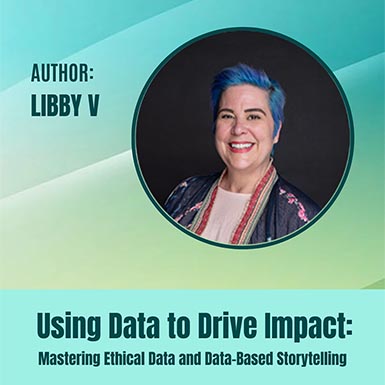
Video now available!
Watch the Take Five Workshop video Using Data to Drive Impact to learn how to transform data into powerful narratives that drive funding and build trust.
WATCH VIDEO
Is data increasingly important for demonstrating impact and securing funding for nonprofits?
Absolutely, and not just for the big players. Every nonprofit, no matter the size, can use data to strengthen their case for support. The shift we’re seeing is away from “feel-good” stories alone toward evidence of real, tangible outcomes. But here’s the thing: numbers alone don’t move hearts. You need both: credible data and stories that reflect the dignity, truth, and complexity of the people behind the numbers.
This is where data storytelling comes in. You don’t need fancy dashboards to start; spreadsheets, impact surveys, and consent-based interviews go a long way. The key is to collect and share information in ways that are ethical, community-centered, and transparent. Data shouldn’t be used to extract; it should be used to illuminate.
What role does data play in building trust and transparency with donors and the community?
When nonprofits share clear, consistent data, they show they’re serious about accountability — not just to funders, but to the communities they’re in relationship with. Transparency builds trust. Whether it’s through annual reports, simple dashboards, or even a well-designed Instagram graphic, nonprofits can help people see not just what they’re doing, but why it matters.
We’re not just talking about counting outputs; we’re talking about showing growth, learning, and impact over time. When organizations use data to make better decisions and share what’s working (and even what’s not), it deepens donor confidence and shifts narratives about what nonprofit effectiveness really looks like.
“The secret is to combine numbers with good storytelling. Funders want to know: What’s your impact and what outcomes are you achieving with the people you serve?”
What are the most common ethical missteps you see nonprofits making when using data, and how can they be avoided?
One of the biggest issues I see is using people’s stories or photos without informed consent. It’s not just about a signature on a release form; it’s about being clear about how their data or story will be used, giving them the power to say no, and inviting them into the process. Consent isn’t a checkbox. It’s a conversation.
Another problem? Sharing impact data without context, which can unintentionally mislead. Also, many organizations overlook the importance of data security. If you’re collecting personal information — especially from vulnerable communities — you need to make sure it’s protected.
Bottom line: integrity matters. Don’t exaggerate, don’t exploit, and don’t cut corners when it comes to privacy or accuracy.
How can nonprofits balance compelling storytelling with protecting individual privacy?
You can tell meaningful stories without putting individuals at risk or making them feel tokenized. One approach is using composite or anonymized stories that still reflect real experiences. And when you do share individual narratives, make sure the person has full control over what’s shared, how it’s shared, when, and with whom.
At minimum, this means:
- Getting written consent
- Offering a final review before anything goes public
- Allowing people to opt out at any time
- Being upfront about the purpose and reach of the story
And when in doubt, center the collective over the individual. Talk about shared experiences, community-level impact, or systemic change. Ethical storytelling doesn’t just protect privacy; it reflects our values and deepens credibility.
Brady Ware Nonprofit Advisors want to help you fulfill your mission with financial health and compliance services and a network of nonprofit consultants who specialize in strategic decision-making.
Nonprofit Video Series
Using Data to Drive Impact for Nonprofits with Libby V
Unlock the power of your data for good! This video workshop guides nonprofits in ethically leveraging data to demonstrate impact, build trust, and craft compelling narratives that resonate with funders and communities alike.

Libby Villavicencio
Nonprofit Champion
Libby V & Associates
About the Author
Libby V is a nonprofit strategist and philanthropic advisor. With deep roots in community work, Libby helps mission-driven organizations build fundraising strategies that are bold, ethical, and rooted in genuine relationships. She believes the most powerful data comes from listening—especially to those closest to the issues—and that sustainable change starts with trust, not transactions. When she’s not leading strategy sessions or coaching changemakers, you’ll find her advocating for more joy, more transparency, and way less gatekeeping in the nonprofit sector.