
If There Is a Recession, How Do You React?
If There Is a Recession, How Do You React?
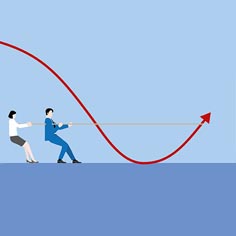 Recessions are no fun, except perhaps for bankruptcy and restructuring lawyers. And if we take a step back, there is no guarantee that we are headed for a recession. The markets are partially pricing a recession in, but we may yet avoid one.
Nevertheless, it’s wise to think ahead and, given that we have enjoyed 12 years of expansion, we may be technically due for a recession anyway. Whether a recession happens now, has already started happening, or won’t come for another few years, being prepared to meet one head on is a wise choice.
Indeed, recessions can actually make a company stronger. I’m a big fan of the writings of Nassim Taleb, including The Black Swan, Skin in the Game, and Antifragile. In the latter book, he made a fascinating observation which applies here: the difference between machines and people is that machines wear down with stress and use, whereas people become stronger and more resilient—in other words, “antifragile.” By taking an opportunity to make your organization “antifragile,” recessions can actually strengthen your organization.
Collectively, Brady Ware’s Advisory Team has walked its clients through many recessions and slowdowns, and we have accumulated some knowledge over the years about what makes companies not only survive but thrive in a recession. These include:
Stop, Think, and Plan
Individual companies can’t stop recessions from occurring, but they can absolutely control their reactions to them. A recession does not have to be a crisis, which is important because studies show that people in crisis suffer a 10%-20% loss on hippocampal (higher brain) function. In other words, we are dumber in crisis, and we become poorer decision makers in the moment. By planning your decisions when you are not in crisis, those decisions are much more likely to be sound ones.
So, create a recession-based business plan:
- What costs will be cut?
- How will you change pricing?
- How will you react to customers that begin to pay more slowly?
- How will you change your approach to marketing and sales?
A key element to this approach is to develop new budgets and forecasts, possibly with scenarios for different severities of a recession.
Stay the Course on Marketing and Sales
A recession means you’ll have to fight harder for customers. Many firms make the mistake of running from the fight altogether, believing that they can’t sell anyway, so why bother? A recession doesn’t mean that the economy has stopped; there are still customers to be had. In fact, because many of your competitors will retrench to save money, there is less noise in the market. You may well find that your marketing is even more effective because your voice is heard more clearly. Finally, by remaining committed to marketing and sales, you will vastly strengthen relationships with your key marketing channels. Vendors will remember who stuck with them through the tough times and that pays dividends during the recovery in terms of pricing, delivery times, and even exclusivity.
Look for Acquisition Targets
Firms that may have been on the fence about being for sale may decide to call it quits when confronted with a recession. The combination of an increased supply of firms for sale, potentially (temporary) weakened financial performance, and higher costs of financing, often contribute to lower acquisition prices. As a bonus, when sellers are particularly motivated to sell, you often can secure better terms of the deal, including an asset purchase versus a stock purchase, earn-outs, and post-acquisition employment agreement with the sellers to ensure continuity after the acquisition.
Recessions are, by their very nature, disruptive. While disruption is, of course, uncomfortable, disruption also creates opportunity. It can be difficult to see the opportunity in the moment, so as a business leader, your decision-making themes should be planning, preparedness, and thinking longer-term—rising above the noise to not be sucked into crisis mode but instead use your firm’s resilience to emerge from a recession stronger than at the start.
Questions?
Brady Ware offers a comprehensive range of advisory services, including strategic advisory, financial analysis, tax compliance, litigation support, employee stock ownership plans, succession planning, mergers and acquisitions, quality of earnings analysis, tax structuring, and business valuations. Our team of experienced professionals provides tailored solutions to help clients achieve their financial goals, minimize risks, and optimize their business performance. Brady Ware’s advisory services focus on developing solutions and creating pathways to success for businesses facing complex challenges, leveraging their deep understanding of business operations, transactional situations, and personal and ownership legacies.