
Financial Management for Rapidly Growing Businesses
Building a Strong Financial Foundation for Rapid Growth
Fast-growing companies face any number of issue but the most important one is its impact on their financial foundation. Here is a detailed look at what business owners need to develop and devote steadfast attention to have a rock-solid financial foundation during fast-growing times as well as any other time.
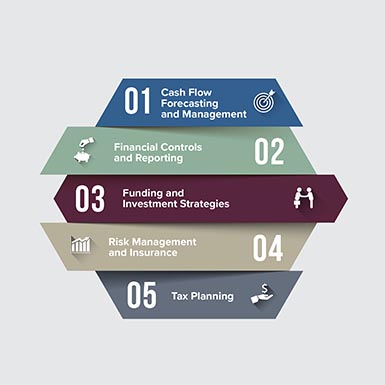
In addition to these five areas, successful companies involve the right financial and legal consultants during the decision making and strategy development process. Just like any other decisions or strategies, involving the right people earlier than later positively effects success.
Here are six detailed areas focused on financial areas for fast-growing companies:
1. Cash Flow Forecasting and Management
- Detailed Projections: Create detailed cash flow projections that account for seasonal fluctuations, one-time expenses, and potential revenue growth.
- Scenario Planning: Develop multiple scenarios (e.g., optimistic, pessimistic, and baseline) to assess the impact of different economic conditions.
- Early Warning Signs: Monitor key cash flow indicators, such as days sales outstanding (DSO), days inventory outstanding (DIO), and days payable outstanding (DPO), to identify potential issues early on.
- Efficient Collection: Implement efficient collection processes to minimize late payments and improve cash flow.
2. Financial Controls and Reporting
- Robust Systems: Invest in accounting software and internal controls to ensure accurate and timely financial reporting.
- Regular Reviews: Conduct regular financial reviews to identify trends, anomalies, and areas for improvement.
- Key Performance Indicators (KPIs): Track relevant KPIs, such as gross profit margin, net profit margin, and return on investment (ROI), to measure financial performance.
“A strong financial foundation is essential for the sustainable growth of any business. By focusing on these key areas, you can effectively manage your finances and position your company for long-term success.”
3. Funding and Investment Strategies:
- Funding Options: Explore various funding options, including debt financing (loans, lines of credit), equity financing (venture capital, private equity), and internal funding (retained earnings).
- Cost-Benefit Analysis: Evaluate the costs and benefits of each funding option to determine the most suitable choice for your business.
- Strategic Investments: Consider strategic investments in areas that can drive growth, such as research and development, marketing, or talent acquisition.
- Financial Modeling: Use financial modeling tools to assess the potential impact of different investment decisions on your company’s financial performance.
4. Risk Management and Insurance
- Risk Identification: Identify potential financial risks, such as market fluctuations, credit risk, and operational risks.
- Risk Mitigation: Implement strategies to mitigate these risks, such as hedging, insurance, and contingency planning.
- Insurance Coverage: Ensure adequate insurance coverage, including property, liability, and business interruption insurance.
- Regular Reviews: Review your insurance coverage periodically to ensure it aligns with your changing business needs.
5. Tax Planning
- Tax Implications: Understand the tax implications of rapid growth, such as increased tax liabilities and potential tax credits.
- Tax Optimization: Explore tax optimization strategies, such as deductions, credits, and deferral techniques for both yourself and your business.
- Succession Planning: Even though a business owner may have several more years at the helm, a long-term strategy for business succession also has implications for your personal tax and wealth positions.
By carefully considering these financial aspects, business owners can make informed decisions, manage risks effectively, and position their companies for long-term financial success.
Questions?
Brady Ware offers a comprehensive range of advisory services, including strategic advisory, financial analysis, tax compliance, litigation support, employee stock ownership plans, succession planning, mergers and acquisitions, quality of earnings analysis, tax structuring, and business valuations. Our team of experienced professionals provides tailored solutions to help clients achieve their financial goals, minimize risks, and optimize their business performance. Brady Ware’s advisory services focus on developing solutions and creating pathways to success for businesses facing complex challenges, leveraging their deep understanding of business operations, transactional situations, and personal and ownership legacies.