
2026 Nonprofit Fraud Report
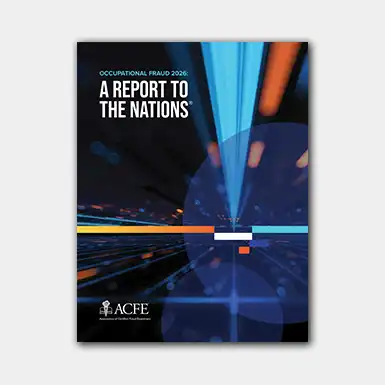
Preventing Occupational Fraud and Protecting Donor Funds: Key Takeaways from the ACFE 2026 Report
According to the ACFE 2026 Report to the Nations, nonprofit organizations suffer severe damage from internal financial schemes. Nonprofits lose roughly 5% of their annual operating budget to occupational fraud schemes. The median loss per nonprofit case reaches $69,000, while severe cases exceed millions. Employee tips uncover over 43% of these cases, making confidential reporting channels critical for charitable organizations. Early detection protects limited donor funds and preserves public trust.
Key Takeaways
Nonprofit organizations lose an estimated 5% of their annual operating budgets to internal financial schemes, directly threatening vital community programs and public trust. Establishing strong internal controls and accessible whistleblower channels allows charitable groups to detect fraud early and preserve critical donor funding.
- Impact on Budgets: Nonprofits lose roughly 5% of annual operating budgets to occupational fraud, with a median loss of $69,000 per scheme.
- Primary Detection Tool: Confidential tips uncover 43% of nonprofit fraud cases, making anonymous web forms and email reporting the most effective defense.
- Behavioral Red Flags: About 84% of perpetrators exhibit clear warning signs before discovery, such as living beyond their means or refusing to delegate bookkeeping tasks.
- Board Oversight & Controls: Missing internal controls account for a third of fraud cases, but dual-authorization requirements and surprise audits cut financial losses in half.
- Speed of Detection: Fraud schemes run for a median of 12 months before discovery, making early detection systems vital for preserving donor capital.
Unique Vulnerabilities Facing Charitable Organizations
Occupational fraud threatens charities and foundations just as severely as commercial enterprises. The Association of Certified Fraud Examiners analyzed thousands of cases across 143 countries. Every dollar lost to fraud directly reduces community services and program execution.
Nonprofits face distinct vulnerabilities due to reliance on volunteers, lean staffing, and donor trust. Asset misappropriation represents the most common threat, occurring in most charitable fraud cases. Bad actors steal cash donations, alter check payments, or misuse organizational grant funds. Meanwhile, corruption schemes involve billing scams, kickbacks, and falsified expense reports.
Scheme duration directly compounds financial and reputational losses for charities. The typical fraudulent scheme runs for 12 months before discovery. Unchecked fraud depletes critical mission resources and destroys donor confidence. Fast action prevents long-term organizational damage.
Whistleblowing and Early Detection in Nonprofits
Charities catch most schemes through human observation rather than complex automated software. Tips remain the primary detection tool, identifying 43% of all reported cases. Dedicated volunteers and staff members often notice irregularities before formal audits occur.
Modern charities rely on nonprofit occupational fraud prevention systems to capture early warnings. Web-based reporting forms and email now lead as the preferred intake channels. Providing anonymous reporting options encourages staff to voice concerns without fear of retaliation.
Implementing formal intake mechanisms yields immediate financial benefits for charitable groups. Organizations with confidential tip channels detect fraud six months faster than those without intake mechanisms. Faster detection limits total loss and preserves vital community funding.
“Nonprofits lose roughly 5% of their operating budgets to occupational fraud, making board oversight and secure whistleblowing tools critical for protecting donor funds.”
Spotting Red Flags and Strengthening Board Oversight
Identifying fraudsters requires understanding common workplace behaviors and pressure points. The ACFE study shows that 84% of perpetrators display clear behavioral red flags before detection.
The report highlights several key warning signs:
- Living beyond means: 39% of perpetrators spend noticeably above their compensation level.
- Financial difficulties: 29% face pressing personal debt or family financial stress.
- Unusual vendor ties: 17% maintain secretive relationships with suppliers or contractors.
- Control issues: 12% resist sharing financial duties or delegating bookkeeping tasks.
- Behavioral issues: 11% exhibit signs of irritability, suspiciousness, or defensiveness.
Strong nonprofit board fraud oversight helps trustees monitor these risks effectively. Board members must maintain active financial scrutiny rather than blindly trusting executive directors. Regular financial reviews deter fraudulent activity across all managerial levels.
Building Internal Controls to Protect Donor Capital
Internal control breakdowns open the door to dishonest behavior within mission-driven organizations. A complete lack of internal controls causes one-third of investigated cases. Manual overrides and weak management supervision enable another 37% of schemes.
Small charities suffer disproportionately from internal controls in nonprofit organizations gaps. Lean budgets often prevent charities from dividing accounting duties among multiple employees. Consequently, single individuals control both cash receipts and bank reconciliations.
Leaders must deploy effective charity fraud detection methods to safeguard institutional resources. Dual-authorization policies for payments drastically reduce unauthorized disbursements. Surprise financial audits cut median fraud losses in half. Proactive investments in anti-fraud controls secure donor dollars for their intended purpose.
Safeguarding Mission-Driven Resources Against Fraud
Internal financial schemes threaten the stability, mission, and public trust of charitable organizations, but proactive defense strategies significantly minimize risk. The 2026 ACFE findings emphasize that implementing robust internal controls—such as dual-authorization payment systems, confidential whistleblower reporting channels, and surprise financial audits—allows nonprofit leadership to intercept fraud before losses compound. By actively identifying behavioral red flags and fostering strong board oversight, charities can protect their operational budgets and ensure donor contributions directly serve their communities.
Disclaimer: The findings and data referenced above are sourced from the Association of Certified Fraud Examiners (ACFE) Occupational Fraud 2026: A Report to the Nations. This article provides independent commentary and analysis based on the public report; it is not sponsored, endorsed, or produced by the ACFE.
Questions?
Aubrey is a business valuation and forensic accounting expert, specializing in mergers and acquisitions, economic damages, and litigation support services. After navigating complex commercial disputes across North America, he excels at guiding clients through high-stakes transactions, due diligence, and matrimonial settlements. Aubrey helps business owners, legal counsel, and financial professionals execute smart strategies and achieve clarity in complex financial matters.