
Understanding Your Nonprofit’s Impact with Logic Models
Unveiling the Power of Logic Models: A Framework for Measuring Success in Your Nonprofit
By Libby V
Logic models are a cornerstone of effective nonprofit program design and evaluation. This visual framework maps out the resources invested (inputs), the activities undertaken (outputs), and the intended results (outcomes) of a program. By clearly defining these elements, logic models empower nonprofits to demonstrate their impact and secure valuable resources.

Key Takeaways
What is a logic model in nonprofit work?
A logic model is a visual framework that maps out the inputs, outputs, and expected outcomes of a nonprofit program.
What are the key components of a logic model?
Key components typically include inputs (resources), outputs (deliverables), short-term, mid-term, and long-term outcomes.
How do logic models help nonprofits demonstrate impact?
Logic models help by clearly defining program components and tracking progress towards intended outcomes, allowing nonprofits to measure and demonstrate their impact to funders and stakeholders.
Breaking Down the Components of a Logic Model
A logic model typically consists of five key components:
1. Inputs: These represent the resources a program utilizes to achieve its goals. This could include staff time, funding, equipment, materials, or training programs.
2. Outputs: This section focuses on the quantifiable deliverables of the program. For example, the number of participants who completed a training session or the number of workshops delivered.
3. Short-Term Outcomes: These are the immediate changes expected in program participants’ knowledge, skills, or behaviors shortly after completing the program.
4. Mid-Term Outcomes: These represent more sustained changes in behavior or condition, typically occurring within 6 months to a year after program completion.
5. Long-Term Outcomes: These are the lasting and significant changes the program aims to achieve, often taking years to materialize.
“By clearly defining your program’s components, intended outcomes, and impact, logic models empower nonprofits to demonstrate their effectiveness and secure valuable resources.”
Impact: The Ultimate Measure of Success
The ultimate goal of any nonprofit program is to create a positive impact on the community it serves. Logic models help quantify this impact by considering the societal benefits that would not have occurred without the program’s intervention. For example, a program that helps individuals secure employment might measure its impact by calculating the reduced cost of unemployment benefits for the community.
Logic Models and Data Make a Powerful Partnership
Logic models rely heavily on data collection to track progress and verify the achievement of outcomes. By systematically measuring program outputs and outcomes, nonprofits can demonstrate the effectiveness of their efforts to funders, donors, and stakeholders.
In conclusion, logic models are a valuable tool for any nonprofit organization. By clearly defining program components, intended outcomes, and impact, logic models empower nonprofits to demonstrate their effectiveness, secure valuable resources, and ultimately fulfill their missions.
Brady Ware Nonprofit Advisors want to help you fulfill your mission with financial health and compliance services and a network of nonprofit consultants who specialize in strategic decision-making.
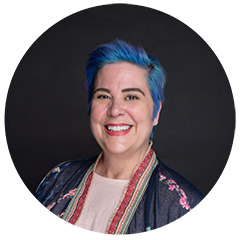
Libby Villavicencio
Nonprofit Champion
Libby V & Associates
About the Author
Libby V knows strong communities and great organizations don’t happen by chance. They have strong leadership in place, a definition of the impact they want to have, a clear path for achieving their impact and the right people on the bus and in the right seats.
She helps communities and organizations line up everything they need to achieve stronger results than ever before. She is nationally respected for her work with communities, government, higher education, nonprofit and philanthropic organizations.
With many years of leadership experience, Libby fully understands communities, government, higher education, nonprofit and philanthropic sectors. She is also experienced in public-private partnerships through consulting roles with initiatives in Atlanta, Baton Rouge, New Jersey, Raleigh-Durham, Massachusetts, Chicago, California, Seattle, and Ohio.