
The Role of Technology in Business Valuation
Exploring the Transformative Impact of Technology on Business Valuation Practices
How is technology changing how we value businesses? Technology is rapidly transforming the business valuation landscape, automating processes, enhancing data analysis, and improving efficiency. The impact of technology on business valuation, including specialized software, data analytics, and virtual data rooms, is examined, providing a look at the field’s current state and future direction.
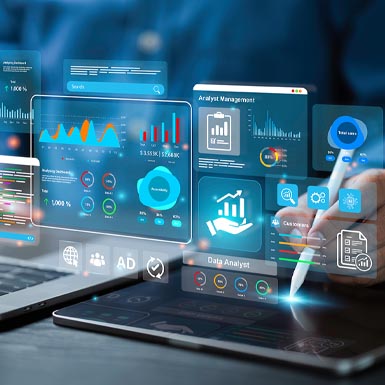
Transforming the Valuation Process
Technology is revolutionizing the business valuation process in several key ways. It’s streamlining traditionally time-consuming tasks, improving the accuracy of valuations, and enabling access to more comprehensive data. Automation is reducing manual effort and freeing up valuation professionals to focus on higher-level analysis and interpretation. The availability of sophisticated software and vast databases has empowered valuators with powerful tools to analyze complex financial data and generate more robust valuations. In short, technology is making the valuation process more efficient, accurate, and data-driven.
Valuation Software and Databases
Specialized valuation software has become an indispensable tool for valuation professionals. These software solutions offer a range of features, from discounted cash flow (DCF) modeling to comparable company analysis, allowing valuators to build complex models and perform sensitivity analysis with ease. They often incorporate built-in databases of financial information, market data, and transaction details, providing access to a wealth of information that would be difficult and time-consuming to gather manually. These databases can include public company financials, private transaction data, industry benchmarks, and economic indicators, providing valuators with the necessary information to conduct thorough and well-supported valuations.
“Technology is revolutionizing the business valuation process in several key ways. It’s streamlining traditionally time-consuming tasks, improving the accuracy of valuations, and enabling access to more comprehensive data.”
Data Analytics and Machine Learning
The rise of data analytics and machine learning is further transforming the field of business valuation. These technologies enable valuators to analyze vast amounts of data, identify trends, and uncover insights that might be missed by traditional methods. Machine learning algorithms can be trained to identify patterns in market data and predict future performance, enhancing the accuracy of valuation models. Data analytics can also be used to assess risk factors, compare companies, and perform sensitivity analysis, providing a more comprehensive understanding of the factors that drive value. As these technologies continue to evolve, their impact on business valuation is only expected to grow.
Virtual Data Rooms and Collaboration
Virtual data rooms (VDRs) have become essential tools in the due diligence process associated with business valuations, especially during mergers and acquisitions. VDRs provide a secure and centralized platform for sharing confidential financial information, legal documents, and other sensitive data with potential buyers or investors. They facilitate collaboration and communication among the various parties involved in the valuation process, streamlining the exchange of information and improving efficiency. Beyond VDRs, other collaborative technologies, such as cloud-based document sharing and project management tools, are also playing an increasing role in facilitating communication and coordination among valuation teams and their clients.
The Future of Technology in Valuation
The future of technology in business valuation is bright. Valuation software will likely become even more sophisticated, incorporating advanced analytics and predictive modeling capabilities. Blockchain technology may also play a role in enhancing the security and transparency of financial data used in valuations. The increasing availability of data and the development of new analytical tools will empower valuation professionals to provide more accurate, insightful, and data-driven valuations. The integration of technology will not only enhance the efficiency and effectiveness of the valuation process but also contribute to greater transparency and trust in the valuation outcomes. It will be a future where technology empowers valuation professionals to focus on strategic insights and interpretation, rather than manual tasks, ultimately leading to better informed business decisions.
Disclaimer: This article provides general information and should not be considered professional financial or tax advice. Please consult with a qualified CPA or financial advisor for guidance specific to your individual business needs.
Questions?
Robert Evans is a skilled professional specializing in business valuation, forensic accounting, and litigation support. With extensive experience in over 100 valuation engagements and dozens of forensic matters, he offers a unique blend of expertise that also includes complex tax planning and compliance. He is a a qualified expert witness and has provided deposition and court testimony involving marital property, business valuations, financial disputes, and lost profits.