
All About Grants!
Understanding the Different Types of Funding: Grants, Contracts, and Cooperative Agreements
By Andrea Hoff, MPA, GPC, OCPC, ICPS
You Thrive Consulting & Training
Now I know all of you are out there saying, “I know what a grant is!” But people throw that term around, and they don’t always know what it means. And there are different types of competitive processes out there that are not technically called grants, but we tend to call them that.

When we think about the term “grant,” grants are funds that are awarded for programs or services or research or whatever it is that you’re applying for. But it is considered a contribution, it’s a donation, it’s a gift. It’s awarded up front. It’s something where the funders say, “I’m signing this check, and this is your money.” And they give it to you up front for you to do some good work with it.
The Contractual Obligations of Grants
But just because they’re giving you that money up front, doesn’t mean that it isn’t tied to a legal contract. It absolutely is. So you become contractually obligated to spend those dollars in the way that you put into your proposal. Think about it as the fact that when you write that grant proposal, you are submitting that to the funder telling them what you’re going to do with those dollars, if you get awarded. That proposal becomes an addendum to your legal contract, so you are contractually obligated to spend it in the way that you said you would.
Those up-front funds are different than what we call a contract or a procurement contract. That is, reimbursement for specific units of services provided where you provide the service, and then submit an invoice to be paid. It’s still a competitive process, you still have to receive an award for it, but there are other things for nonprofits to think about when they go after funding opportunities that are through a procurement process as opposed through an actual grant.
Contracts require having enough cash on hand to be able to provide those services, knowing that you’re not going to get paid until the back end. Typically, these are once-a-month invoices, though I’ve seen some go even longer than that. Also consider how long the funder has to pay that invoice. Standard payment terms are 30 days, and I’ve seen them go up to 90 days.
Exploring Cooperative Agreements
Grants and procurement contracts are different than what we call a cooperative agreement. A cooperative agreement is a contract that will see you reimbursed after the fact, so you have to have the cash up front.
But what it does is imply a substantial interaction between you and the funder. This typically means that the funder knows exactly what they want you to do, and they want you to do it in the way that they’ve specified. So they may mandate certain things:
- attending certain meetings,
- going to certain technical assistance,
- or attending coaching or training sessions.
While cooperative agreements are the domain of the federal government, their basic structure has been adopted by several state and local governments when issuing funds.
Competing for Funding
Collectively we refer to all of these as “grants” and that’s because, regardless of whether it’s a grant, a contract or a cooperative agreement, they are all competitive processes. And by competitive, you may be one among thousands applying for the same money, and you have to show why you are the best candidate for it.
For tips and tricks to make you more competitive when you are seeking and securing those dollars, watch my Take Five session: All About Grants!
In All About Grants!, I discuss grant-seeking and grant-writing basics, including how to become grant ready, find appropriate funding opportunities, analyze funding Requests for Proposals, and decide whether or not to apply. This knowledge gives nonprofit organizations a competitive advantage when writing and submitting grant proposals so that they can effectively sustain and/or expand their vital services.
You will walk away with a grant readiness assessment checklist, a 4-step process for deciding whether or not to apply, and knowledge of the 8 major components of a typical grant proposal.
Learning Objectives:
- Learn about the 4 primary funding sources and how to enhance their competitiveness for each one.
- Learn a 4-step process when deciding whether or not to apply for a grant to support their prevention services.
- Learn the 8 major components of a typical proposal application.
Brady Ware Nonprofit Advisors want to help you fulfill your mission with financial health and compliance services and a network of nonprofit consultants who specialize in strategic decision-making.
All About Grants!
Grant writing can be a tedious and stressful process. However, it is a technical skill that can be learned when provided the right set of tools. In this session, you will learn a step-by-step proposal writing process, thereby turning a tedious process into a rewarding one. Attendees will learn grant seeking and grant writing basics, including how to become grant ready, find appropriate funding opportunities, analyze funding Requests for Proposals, and decide whether or not to apply. This knowledge gives nonprofit organizations a competitive advantage when writing and submitting grant proposals so that they can effectively sustain and/or expand their vital services. Attendees will walk away with a grant readiness assessment checklist, a 4-step process for deciding whether or not to apply, and knowledge of the 8 major components of a typical grant proposal.
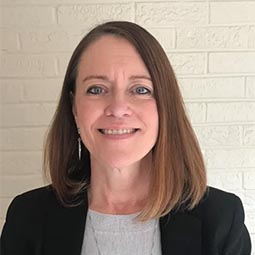
Andrea Hoff, MPA, GPC, OCPC, ICPS
You Thrive Consulting & Training
About the Author
I have had the honor and privilege to dedicate my career to helping organizations and communities be the best that they can be. For me, this is not just a job; it’s a passion. And that is why I named my company YOU THRIVE! At the end of the day, the work I do is not about me, it’s about you. My goal is to help more nonprofits and public agencies to truly be the catalyst for the change that they wish to see. I believe that my drive for effective and sound management systems can help any agency create a solid foundation. I know that my dedication to creating financially stable programs and entities can help any agency flourish. There is nothing that makes me happier than knowing that I’ve played a role in helping a person, organization, or community become happier, healthier, and more vibrant! And I know that my passion for helping communities truly thrive can help you.