
Tax Scams: Protect Yourself This Season
Staying Safe from Uncle Sam's Scammers: Common US Tax Scams and How to Protect Yourself
What are the most prevalent tax scams targeting individuals in the US?
How can I identify and avoid these fraudulent schemes?
Tax season is a prime time for scammers to prey on unsuspecting individuals. From phishing emails promising hefty refunds to aggressive phone calls threatening legal action, these schemes can be sophisticated and convincing. Understanding the common tactics employed by these fraudsters is crucial for protecting your personal information and hard-earned money. We’re going to explore some of the most prevalent tax scams targeting individuals in the US and provide practical advice on how to avoid becoming a victim.
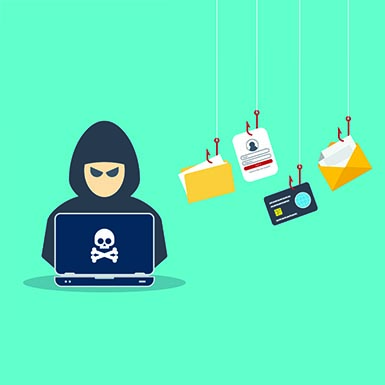
Phishing and Smishing Scams Cast a Wide Net
Phishing and smishing are deceptive practices where scammers attempt to obtain sensitive information, such as Social Security numbers, bank account details, and login credentials, by masquerading as legitimate entities. Phishing typically involves emails that appear to be from the IRS or other government agencies, often containing links to fake websites designed to steal your information. Smishing, on the other hand, utilizes text messages to achieve the same goal. These messages might claim you’re eligible for a tax refund or that there’s an issue with your tax return, urging you to click on a link or call a number. Remember, the IRS will never contact you via email or text message about sensitive information. Legitimate communication from the IRS is primarily conducted through mail.
The “IRS Impersonator” Phone Calls use Pressure Tactics
One of the most alarming tax scams involves phone calls from individuals claiming to be IRS agents. These scammers often use aggressive and threatening language, claiming you owe back taxes and demanding immediate payment. They may even threaten legal action, arrest, or wage garnishment if you don’t comply. These calls are designed to intimidate you into making a hasty decision without verifying the caller’s identity. The IRS will never call you demanding immediate payment. If you receive a suspicious call, hang up immediately and contact the IRS directly through their official channels to verify any outstanding tax obligations. Never provide personal information or payment details over the phone unless you are absolutely certain of the caller’s identity.
Refund Scams
Everyone loves the idea of getting a little extra money back from their taxes. Scammers exploit this desire with refund scams, promising inflated refunds or offering assistance in obtaining refunds you may not be entitled to. These schemes often involve filing fraudulent returns using stolen identities or fabricated income information. While the allure of a larger refund might be tempting, engaging in such activities can have serious legal consequences. Always file your own taxes or work with a reputable tax professional. Be wary of anyone promising unusually large refunds or suggesting methods that seem too good to be true.
“Staying informed and vigilant is the best defense against tax scams. Remember, the IRS will primarily contact you by mail.”
The Gateway to Tax Fraud is Identity Theft
Identity theft is a significant concern during tax season. Scammers often steal personal information, such as Social Security numbers and birth dates, to file fraudulent tax returns and claim refunds in your name. This can lead to significant headaches and financial losses for the victim. Protecting your personal information is paramount. Be cautious about sharing your Social Security number and other sensitive data, and be sure to shred any documents containing this information before discarding them. Monitor your credit reports regularly for any suspicious activity, and consider placing a fraud alert on your accounts if you suspect your identity has been compromised.
Protect Yourself, Stay Vigilant
Staying informed and vigilant is the best defense against tax scams. Remember, the IRS will primarily contact you by mail. Be extremely cautious of any unsolicited emails, phone calls, or text messages claiming to be from the IRS or other government agencies. Never provide personal information or payment details over the phone or through email unless you are absolutely certain of the recipient’s identity. If you have any doubts about the legitimacy of a communication, contact the IRS directly through their official website or phone number. By staying informed and taking proactive steps to protect your personal information, you can significantly reduce your risk of falling victim to tax scams.
Disclaimer: This article provides general information and should not be considered professional financial or tax advice. Please consult with a qualified CPA or financial advisor for guidance specific to your individual business needs.
Questions?
Ryan specializes in federal, state, and local tax compliance services for individuals, single-member LLCs, partnerships, and corporations. He serves a diverse clientele across various industries, ranging from small businesses to large corporations. Additionally, Ryan has experience in supporting individuals and businesses with SBA loan applications.