
Smart Funding Strategies for Manufacturing Buyouts
How to Structure Capital, Leverage Assets, and Secure Financing for Manufacturing Business Buyouts
New owners finance a manufacturing buyout by combining senior bank debt, asset-based lending, seller financing, and mezzanine equity. Buying out a manufacturing plant requires substantial capital due to high machinery and inventory costs. Working with a manufacturing CPA helps buyers structure pro-forma financial statements, evaluate debt-to-equity ratios, and leverage plant assets for maximum acquisition liquidity.
Key Takeaways
Financing a manufacturing buyout requires assembling a multi-tiered capital stack that balances debt with operational liquidity. By combining asset-based loans, seller notes, and CPA-backed pro-forma modeling, incoming owners can complete a buyout while protecting long-term borrowing capacity.
- Structure the Capital Stack: Combine senior bank debt, mezzanine loans, asset-based lending, and seller-retained equity to cover total purchase costs.
- Build Pro-Forma Models: Partner with a specialized manufacturing CPA to create realistic financial projections that prove debt service capacity to commercial lenders.
- Leverage Seller Notes: Utilize seller financing to demonstrate founder confidence, reassure primary banks, and bridge purchase price valuation gaps.
- Unlock Asset Liquidity: Secure working capital by pledging plant machinery, inventory, and accounts receivable through asset-based credit lines.
- Align Performance with Earn-Outs: Protect future cash flow by tying a portion of the purchase price to post-acquisition profit targets.
Structuring the Capital Stack for Buyouts
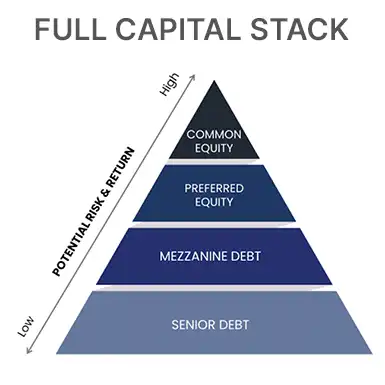
Management buyouts rarely rely on a single source of capital. Instead, buyers stack multiple layers of financing to cover the full purchase price. Senior debt forms the foundation of most buyout structures. Banks provide this low-interest loan, but they require strict collateral coverage. Mezzanine financing fills the gap between senior loans and equity. Mezzanine lenders accept higher risk in exchange for higher interest rates or equity warrants. Finally, seller-retained equity allows founders to keep a minority stake in the plant. This rollover equity aligns the outgoing owner’s interests with the incoming management team. (See graphic at top right.)
Proving Debt Service Capacity with Pro-Forma Modeling
Traditional lenders want clear proof that factory operations can support new monthly loan payments. CPAs help successors build realistic pro-forma financial models to convince commercial underwriters. These detailed financial projections account for future equipment maintenance, raw material costs, and seasonal order shifts. Accurate pro-forma modeling proves that cash flows will easily cover debt obligations.
Reassuring Lenders with Seller Notes
Seller notes play a crucial role in closing financing gaps during ownership transitions. In a seller-financed buyout, the departing founder agrees to accept deferred payments over time. Carrying a seller note demonstrates true “skin in the game.” It proves to primary banks that the founder trusts the new management team completely. Lenders feel far more comfortable extending senior debt when founders share ongoing financial risk. Seller notes often feature flexible repayment terms, which preserves working capital during initial transition months.
“Combining asset-based credit lines with seller notes demonstrates skin in the game, unlocking senior bank debt while protecting essential working capital.”
Unlocking Liquidity Through Asset-Based Lending
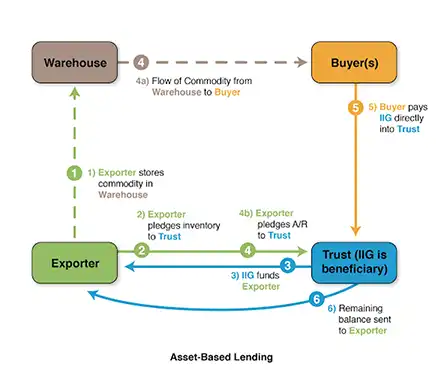
Manufacturing plants hold valuable physical assets that buyers can convert into immediate deal liquidity. Asset-based lending leverages existing plant machinery, equipment, and accounts receivable to secure acquisition financing.
- Accounts Receivable: Lenders advance up to 85% of eligible outstanding customer invoices.
- Machinery & Equipment: Appraised liquidation values determine term loan amounts for heavy equipment.
- Inventory: Raw materials and finished goods secure secondary working capital credit lines.
Using asset-based credit lines minimizes out-of-pocket equity requirements for incoming management teams.
Managing Debt-to-Equity Ratios and Borrowing Capacity
Adding heavy debt to a balance sheet directly impacts a manufacturer’s financial health. A specialized CPA evaluates how acquisition loans alter your debt-to-equity ratio and future borrowing capacity.
High debt loads limit your flexibility to buy new machinery or handle sudden economic downturns. CPAs structure loan covenants to ensure your factory maintains enough liquidity for daily working capital needs.
Aligning Purchase Price with Earn-Out Structures
Strategic buyers and management teams often use earn-out agreements to bridge valuation gaps. An earn-out ties a portion of the final purchase price to future financial targets.
- Founders earn additional payouts only after achieving specified EBITDA or gross profit thresholds.
- Successors protect company cash flow if post-sale revenue dips below initial forecasts.
- Both parties share operational risks during the critical post-acquisition handoff.
Earn-outs protect buyers from overpaying while giving sellers an opportunity to maximize their ultimate exit valuation.
Securing Sustainable Manufacturing Capital
Securing the right financing structure is essential for executing a successful manufacturing buyout without jeopardizing future plant growth. By balancing senior debt with asset-based loans, seller notes, and performance earn-outs, new owners can preserve essential working capital while satisfying lender requirements. Early collaboration with an experienced manufacturing CPA ensures your pro-forma projections stand up to bank scrutiny, protecting both your initial acquisition and long-term operational profitability.
Disclaimer: This article provides general information and should not be considered professional financial or tax advice. Please consult with a qualified CPA or financial advisor for guidance specific to your individual business needs.
Questions?
Cody has been guiding closely held businesses across diverse industries since joining the firm in 2016. His expertise spans individual and corporate taxation, long-term business planning, and seamless succession and exit strategies.