
PCMA Strategic Growth for Nonprofits
Navigating the Landscape: How Partnerships, Consolidations, Mergers & Acquisitions Can Empower Nonprofits
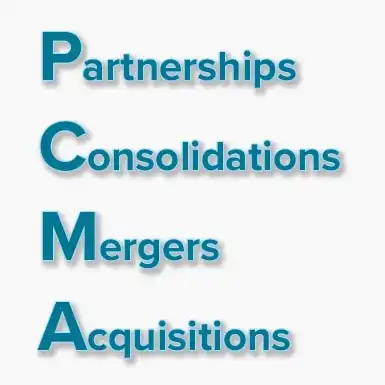
In the nonprofit sector, navigating towards greater impact and sustainability can be a complex challenge. While resource constraints and a competitive funding environment often limit individual efforts, strategic collaborations offer promising avenues for growth and innovation. This is where partnerships, consolidations, mergers, and acquisitions (PCMA) come into play as powerful tools for nonprofits to amplify their missions and reach.
Key Takeaways
How can nonprofits increase their impact and sustainability?
Answer: Nonprofits can achieve greater impact and sustainability by engaging in strategic partnerships, consolidations, mergers, and acquisitions.
What are some advantages of nonprofit collaborations?
Answer: Collaborative strategies for nonprofits lead to benefits such as shared resources, expanded program offerings, enhanced operational efficiency, and a stronger collective voice.
What factors are crucial for successful nonprofit integration?
Answer: Successful integration for nonprofits requires careful due diligence, thorough planning, strategic and cultural alignment, and transparent communication with all stakeholders.
Nonprofit Partnerships
Forging strategic alliances with like-minded organizations can unlock a wealth of benefits. Sharing resources, expertise, and networks opens doors to new audiences, expands program offerings, and maximizes operational efficiency. Joint fundraising initiatives can attract larger donors and funders, while collaborative advocacy efforts can amplify voices and strengthen policy impact. Partnerships like co-hosting events, developing shared data platforms, or delivering combined services can significantly enhance cost-effectiveness and program reach without sacrificing organizational autonomy.
Nonprofit Consolidations
When facing duplication of efforts or resource limitations, nonprofits can consider consolidation, where two or more entities combine their operations into a single, unified organization. This streamlined structure eliminates redundant administrative functions, optimizes resource allocation, and enhances operational efficiency. Consolidation can lead to a stronger collective voice, increased bargaining power with vendors and funders, and a broader service portfolio for beneficiaries. However, careful due diligence and stakeholder engagement are crucial to ensure a smooth transition and maintain the integrity of each organization’s mission.
“PCMA can be transformative tools for nonprofits seeking to increase their impact and reach.”
Nonprofit Mergers
Merging involves the creation of a new entity formed by the complete integration of two or more previously independent organizations. This approach is often driven by a shared vision for greater impact, expanded geographical reach, or access to new resources and expertise. Mergers can lead to significant economies of scale, enhanced program delivery capabilities, and increased organizational sustainability. However, careful strategic alignment, cultural integration, and transparent communication are key to navigating potential challenges and ensuring a successful merger that benefits all stakeholders.
Nonprofit Acquisitions
In an acquisition, one organization purchases the assets or programs of another. This strategy can be beneficial for acquiring valuable resources, expanding into new geographical areas, or strengthening existing programs. Acquisitions can provide immediate access to established programs, infrastructure, and staff expertise, enabling the acquiring organization to accelerate its impact. However, thorough financial and legal due diligence are essential, and careful consideration must be given to potential integration challenges and ensuring the acquired programs align with the acquiring organization’s mission.
PCMA strategies are not one-size-fits-all solutions. Choosing the right approach depends on individual organizational goals, mission alignment, and context. Careful due diligence, thorough planning, and transparent communication with stakeholders are crucial throughout the process. Engaging experienced consultants and legal professionals can ensure smooth implementation and mitigate potential risks.
Ultimately, PCMA can be transformative tools for nonprofits seeking to increase their impact and reach. By leveraging the strengths of collaboration and strategic integration, nonprofits can navigate the competitive landscape with greater efficiency, effectiveness, and long-term sustainability, ultimately serving their beneficiaries and communities more effectively.
Brady Ware Nonprofit Advisors want to help you fulfill your mission with financial health and compliance services and a network of nonprofit consultants who specialize in strategic decision-making.
Questions?
Jacob manages a variety of accounting, audit, review, and compilation engagements for the firm’s Columbus, Ohio, clients in numerous industries, including Nonprofit, Retail, Construction, and Auto Dealers. He has an extensive background in auditing nonprofit organizations, as well as experience in auditing employee benefit plans.