
Maximize Your Tax Refund: Mid-year Planning Tips
Optimize Your Tax Position with Strategic Mid-year Planning
With the year halfway through, it’s an opportune time to review your financial situation and identify potential tax savings. There are several strategies you can implement now to reduce your tax burden.
Optimize Your Tax Deductions and Credits
The standard deduction has increased significantly in recent years, but itemizing deductions can still be advantageous for many taxpayers. By carefully examining your financial situation, you can identify opportunities to maximize your deductions and credits.
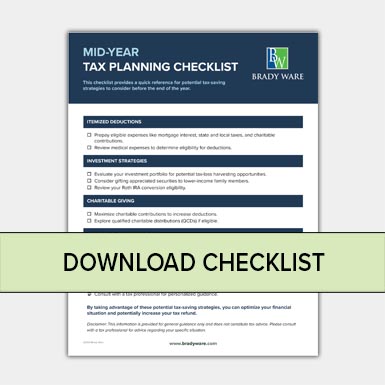
Maximizing Itemized Deductions
- Accelerate Deductible Expenses: Prepaying eligible expenses like mortgage interest, state and local taxes, and charitable contributions can increase your itemized deductions. However, be mindful of the limitations on these deductions and consider the potential impact of the Alternative Minimum Tax (AMT).
- Medical Expenses: If your medical expenses exceed 7.5% of your adjusted gross income, accelerating eligible treatments can boost your deductions.
Leveraging Investment Strategies
- Harvesting Tax Losses: Selling underperforming investments to offset capital gains can reduce your tax liability. Even if you don’t have capital gains, you can use up to $3,000 of capital losses to offset ordinary income.
- Capital Gain Harvesting: Realizing gains on appreciated investments can be strategically timed to minimize tax implications. Consider gift-giving to lower-income family members to potentially avoid capital gains taxes.
- Roth Conversions: Explore the benefits of converting traditional IRA funds to a Roth IRA, especially if you anticipate being in a higher tax bracket in retirement.
Charitable Giving Strategies
- Maximize Deductions: Consider making larger charitable contributions this year to increase your itemized deductions. Donating appreciated securities or lumping charitable donations between years can provide additional tax benefits.
- Qualified Charitable Distributions (QCDs): If you’re 70½ or older, explore the opportunity to make a QCD directly from your IRA to a qualified charity.
Estate Planning Considerations
While not directly related to midyear tax planning, it’s essential to review your estate plan regularly. The generous estate tax exemption currently in place may change in the future, so it’s important to stay informed and make necessary adjustments.
By implementing these strategies and consulting with a tax professional, you can optimize your tax situation and potentially increase your refund.
Questions?
Tax, Accounting, and Advisory Services
Matt’s background in federal, state, and local tax enables him to provide extensive services to the firm’s clients in the areas of tax compliance and consulting across a spectrum of industries.